Lemon Bay's Hidden Locals: The Dwarf Seahorses Most People Never See
By Kristopher Thatcher, The Flamingo Group at eXp Realty
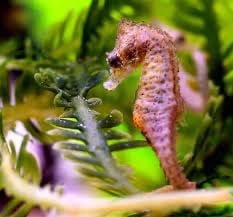
The dwarf seahorse (Hippocampus zosterae) is one of the world's smallest seahorses — adults top out around an inch long — and Lemon Bay, the shallow estuary between Manasota Key and mainland Englewood, is one of the best habitats for them on Florida's Gulf Coast. Most people who live, boat, and swim in Lemon Bay have no idea they're sharing the water with seahorses, because dwarf seahorses are masters of camouflage and cling almost invisibly to seagrass blades in shallow water.
If you own waterfront on Lemon Bay, paddle it regularly, or snorkel the grassflats, you are almost certainly crossing paths with dwarf seahorses without knowing it. Here's what they are, why Lemon Bay suits them so well, and how to spot them without disturbing the habitat that keeps them here.
What Is a Dwarf Seahorse?
The dwarf seahorse (Hippocampus zosterae) is a native Atlantic and Gulf of Mexico species that lives almost exclusively in shallow seagrass beds. Adults are tiny — typically 0.75 to 1 inch from the top of the head to the tip of the tail. Newborn fry are the size of a sesame seed.
A few things make them exceptional even among seahorses:
-
They're among the slowest fish in the ocean. Dwarf seahorses swim so slowly that marine biologists have measured their top speed in inches per minute rather than miles per hour.
-
They cling instead of swim. Their prehensile tail wraps around seagrass blades, small mangrove roots, or floating debris, and that's where they stay — sometimes for days in the same spot.
-
Males carry the pregnancy. Like all seahorses, the male has a brood pouch on his belly. The female deposits eggs; the male fertilizes, carries, and eventually births the young — usually a few dozen at a time.
-
They change color to match their surroundings. A dwarf seahorse on green turtle grass is green. On brown detritus or drift algae, brown. This camouflage is why so few people ever see one.
They are not the larger lined seahorses (Hippocampus erectus) that people sometimes photograph off piers and jetties in Florida. Lined seahorses live in deeper water and can reach six inches. Dwarf seahorses are a different species entirely, with different habitat needs, and Lemon Bay is tailor-made for them.
Why Lemon Bay Is Perfect Dwarf Seahorse Habitat
Lemon Bay is a roughly 10-mile-long shallow estuary running between Manasota Key and the mainland shoreline of Englewood, Cape Haze, and Placida. It averages just 3 to 7 feet deep across most of its surface and has been protected as a Florida Aquatic Preserve since 1986.
What that protection has bought us is seagrass — lots of it. Lemon Bay holds some of the most extensive and healthiest seagrass meadows on Florida's southwest coast, with dominant species including:
-
Turtle grass (Thalassia testudinum) — wide, ribbon-like blades, the most common seagrass in Lemon Bay and the preferred habitat for dwarf seahorses.
-
Shoal grass (Halodule wrightii) — finer, thread-like blades, often the pioneer species in recovering beds.
-
Manatee grass (Syringodium filiforme) — cylindrical, spaghetti-like blades.
Dwarf seahorses depend on this kind of shallow seagrass habitat for everything they do. They ambush the tiny copepods and amphipods they eat from a stationary perch on a blade of grass. They hide from predators in the blades. They anchor to grass when storms come through. They lay eggs and raise fry in the same habitat.
When seagrass goes, so do the seahorses. That's why Lemon Bay's long-running Aquatic Preserve status matters — it's quietly the reason we still have a healthy dwarf seahorse population here while many other Gulf Coast estuaries have lost theirs.
How to See a Dwarf Seahorse in Lemon Bay (Responsibly)
The single most honest thing to say about dwarf seahorses in Lemon Bay is that most people walking the flats or snorkeling the grassbeds never see one — not because they're absent, but because they're the size of a pinky fingernail and colored to match the grass they're clinging to.
If you want to actually see one, here's what works:
-
Pick a calm, clear day. Wind chop kicks up sediment and turns the bay cloudy. A still morning after a windless overnight is ideal.
-
Go shallow and slow. Knee-deep to waist-deep water on the grassflats, typically within 100–200 feet of shore. Wading is better than swimming because you can move deliberately.
-
Look for vertical shapes on horizontal blades. Seahorses don't lie down. They hang vertically from grass blades. Your eye is trained to see horizontal movement; switch to scanning for tiny vertical silhouettes.
-
Check the edges of drift algae mats. Seahorses often hang on algae floating at the edge of seagrass beds, where prey concentrates.
-
Polarized glasses or a simple snorkel mask. Both help you see through the water surface.
-
Stay put once you find one. Dwarf seahorses don't startle and bolt the way fish do. They may hold still on a blade for several minutes, giving you a long, quiet look if you stay calm and don't stir sediment.
What not to do: Never take one home. Dwarf seahorses are one of the most collected seahorse species in the world for the aquarium trade, and the pressure on wild populations is real. The species is listed by the IUCN as vulnerable, and there's a reason marine biologists take collection seriously. Photograph, admire, leave the animal where you found it.
Also avoid dragging anchor through seagrass, running a powerboat through shallow grassflats (leaves scar tracks that take decades to regrow), or walking with cleated shoes across the grass when wading. The grass is the seahorse's world; damage the grass and everyone loses.
Why This Matters for People Who Live on Lemon Bay
Most of our clients at The Flamingo Group eventually ask the same question about Lemon Bay waterfront properties: what's actually in the water out there?
The short list is impressive — tarpon rolling past your dock in late spring, manatees in the winter, dolphins year-round, redfish and snook in the mangrove edges, spotted eagle rays gliding across the grassflats. But the one most people miss, and the one that probably says the most about how healthy the bay is, is the dwarf seahorse.
Seahorses are what biologists call an indicator species. They need clean water, intact seagrass, and stable salinity. They don't tolerate heavy pollution, major dredging, or long stretches of turbid water. When dwarf seahorses are still present in a Florida estuary in the 2020s, that estuary is in genuinely good shape.
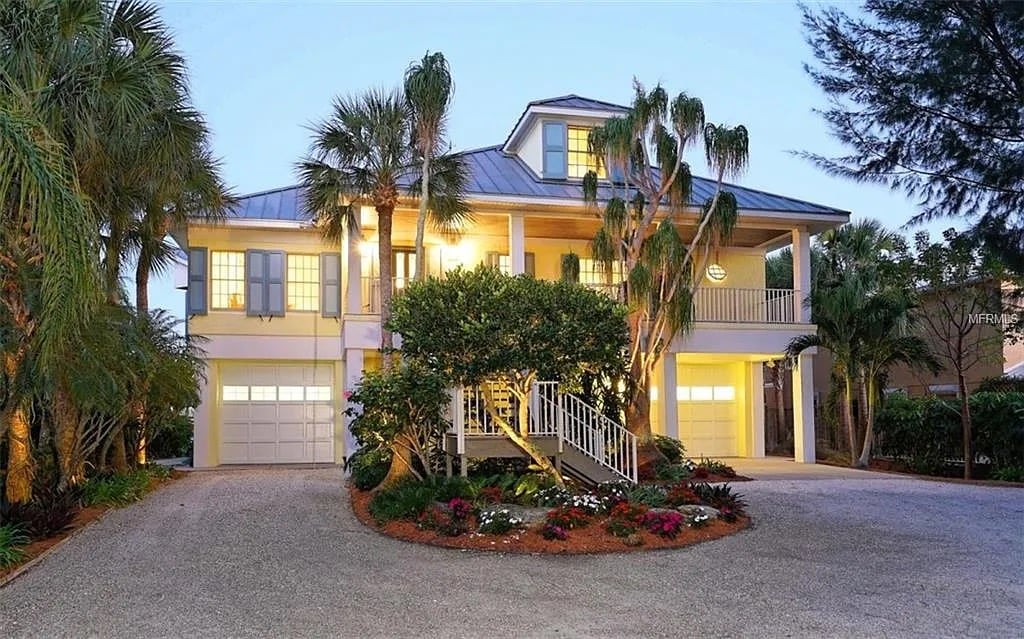
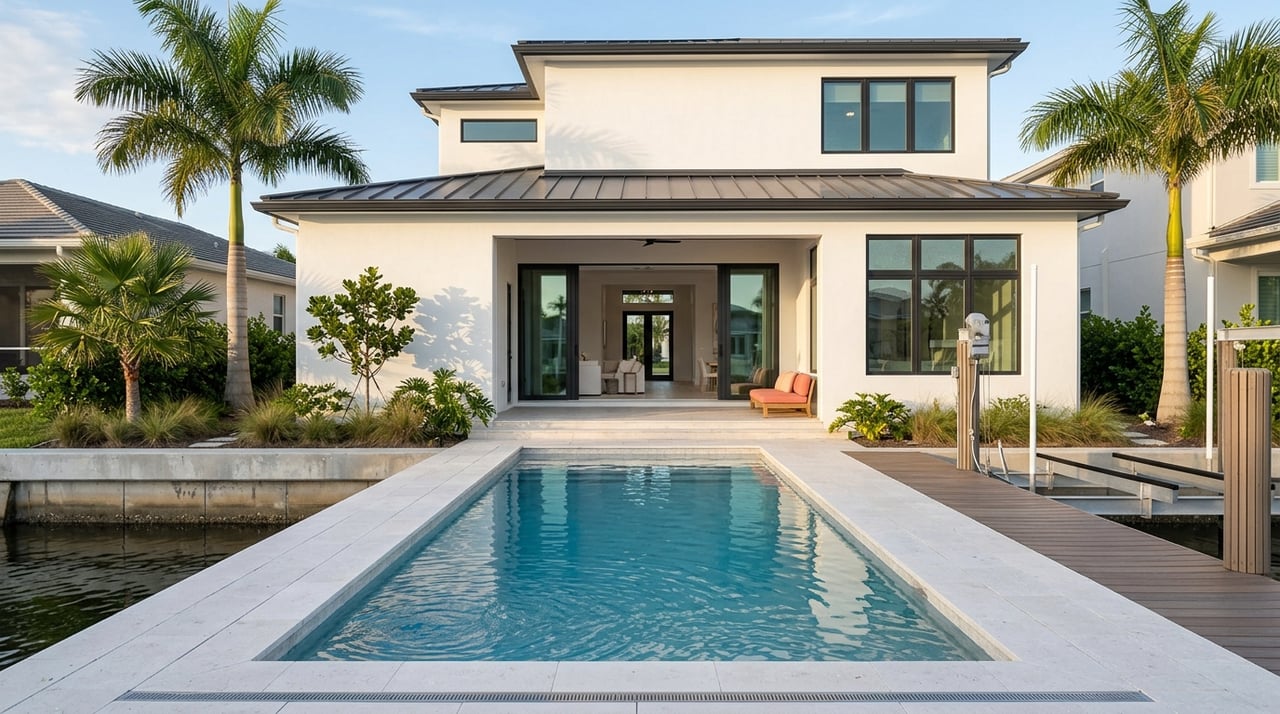
For waterfront buyers, this is a meaningful quality-of-life signal that rarely shows up on a listing sheet. When we show a home on Lemon Bay, we point at the grassflats behind the dock and mention that seahorses live in them. For most clients, that changes the way they look at the water they're about to own. It becomes a place, not just a view.
Local Conservation — How to Learn More and Help
If dwarf seahorses in Lemon Bay pique your curiosity — or you want to support the ongoing protection of the habitat that makes them possible — there are a few genuinely local resources worth knowing:
-
Lemon Bay Conservancy — citizen science, water quality monitoring, seagrass restoration projects
-
Lemon Bay Park and Environmental Center (Englewood) — educational exhibits, trail access to the bay, seasonal guided walks
-
Florida Department of Environmental Protection, Aquatic Preserve Program — formal protection framework for Lemon Bay
-
Charlotte Harbor National Estuary Program — broader watershed conservation that feeds directly into Lemon Bay
Even small habits matter: don't fertilize lawns within 100 feet of the bay, pick up after dogs anywhere near the water, keep powerboats on deep water and off the grassflats, and report seagrass scarring or distressed wildlife to Florida Fish and Wildlife Conservation Commission.
Frequently Asked Questions
Are there really seahorses in Lemon Bay, Florida?
Yes. Lemon Bay hosts a native population of dwarf seahorses (Hippocampus zosterae), which live year-round in the bay's extensive seagrass beds. Because they're tiny — typically under one inch as adults — and heavily camouflaged, most people who swim, paddle, or boat in Lemon Bay never realize they're there. Lemon Bay is a Florida Aquatic Preserve, and the seagrass habitat that makes the bay a good seahorse habitat is actively protected.
How big do dwarf seahorses get?
Dwarf seahorses are one of the smallest seahorse species in the world. Adults typically measure 0.75 to 1 inch from the top of the head to the tip of the tail. Newborn fry are just a few millimeters long — roughly the size of a sesame seed. They are much smaller than the lined seahorses (Hippocampus erectus) that live in deeper waters of the Gulf of Mexico.
Where is the best place to see seahorses on Florida's Gulf Coast?
Shallow seagrass estuaries are the prime habitat for dwarf seahorses on Florida's Gulf Coast, and Lemon Bay — the protected shallow bay between Manasota Key and Englewood — is among the better places to find them. Other known habitats include the flats around Cedar Key, parts of the Big Bend, and protected estuaries in the Ten Thousand Islands. Dwarf seahorses are hard to spot even in good habitat; they rely on camouflage and rarely move.
Are dwarf seahorses endangered?
The dwarf seahorse is listed by the International Union for Conservation of Nature (IUCN) as a vulnerable species, primarily due to seagrass habitat loss and pressure from the aquarium trade. While not formally listed under the U.S. Endangered Species Act, the species has been petitioned for listing. Collection of wild dwarf seahorses is strongly discouraged, and Lemon Bay's Aquatic Preserve status provides meaningful local protection for the habitat they depend on.
Can I take a dwarf seahorse home from Lemon Bay?
Please don't. Dwarf seahorses are vulnerable to population decline from over-collection, and captive care is notoriously difficult — most do not survive long in home aquariums. Observing them in the wild and leaving them on the grass blade where you found them is the only ethical option. If you'd like to support the species, contribute to Lemon Bay Conservancy or similar local seagrass protection efforts.
What else lives in Lemon Bay besides seahorses?
Lemon Bay is one of the most biodiverse estuaries on Florida's southwest coast. Regular residents include manatees (especially in winter), bottlenose dolphins, juvenile tarpon and snook, redfish, mullet, spotted eagle rays, horseshoe crabs, stone crabs, blue crabs, and dozens of wading bird species including roseate spoonbills and wood storks. Seasonal visitors include tarpon schools in late spring and early summer.
Lemon Bay Waterfront Is Rare — And the Life in the Bay Is Part of What Makes It Worth the Premium
The Flamingo Group at eXp Realty specializes in Lemon Bay and Gulf-access homes across Manasota Key, Englewood, Placida, and Cape Haze. We've walked the grassflats behind most of the homes we sell. If you're curious about what a Lemon Bay waterfront property actually feels like to own — not just what it costs — reach Kristopher Thatcher at (941) 525-8700 or [email protected].
Photo credits: Drone photography © Kristopher Thatcher / The Flamingo Group at eXp Realty. Dwarf seahorse imagery via NOAA / Public Domain.