Selling a waterfront home on Manasota Key is not the same as selling an inland property. Buyers are often looking beyond beautiful views and updated interiors. They want to understand the dock, seawall, flood paperwork, permit history, and coastal rules that may affect the property. If you are getting ready to list, the right prep can help you build confidence, reduce surprises, and present your home in the strongest possible light. Let’s dive in.
Understand what makes Manasota Key different
Manasota Key sits in a coastal setting with added layers of review and regulation. Charlotte County notes that properties in the coastal building zone, on coastal barrier islands, in the sea turtle lighting zone, or seaward of the Coastal Construction Control Line may require additional review. The county’s Manasota Key overlay also includes setback and height standards.
That matters when you sell because many buyers will look closely at the property record, not just the finishes and photos. On a waterfront home, questions often come up about exterior openings, prior improvements, dock condition, seawall history, lighting, and flood-related documents. A well-prepared seller can answer those questions early and clearly.
Start with condition and curb appeal
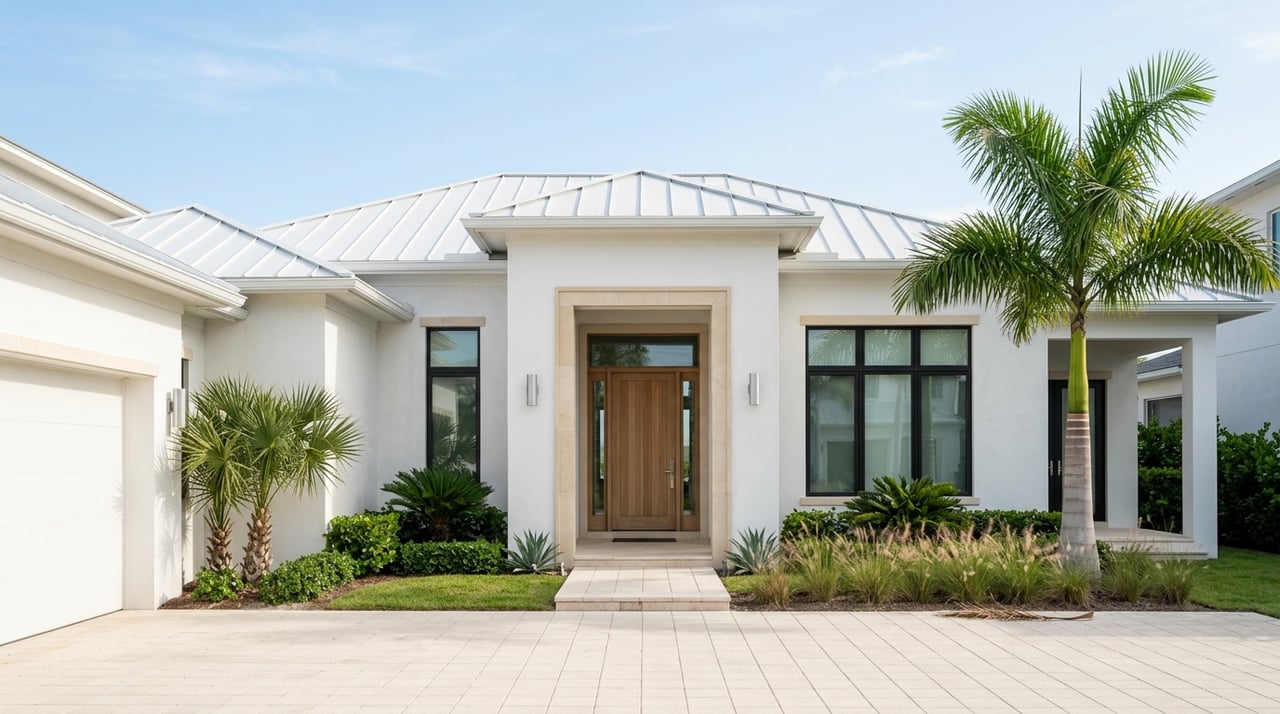
Before you list, focus on the items buyers notice first. Clean lines, fresh presentation, and a well-kept exterior still matter on luxury waterfront homes. If your property shows pride of ownership, buyers are more likely to feel confident about the less visible details too.
On Manasota Key, exterior prep should also be practical. If you have updated the roof, windows, shutters, siding, soffit, electrical systems, pool features, deck areas, or other major components, make sure your records are organized. Charlotte County identifies permits for many of these common residential improvements, and buyers may ask for proof that work was properly completed.
Give outdoor spaces extra attention
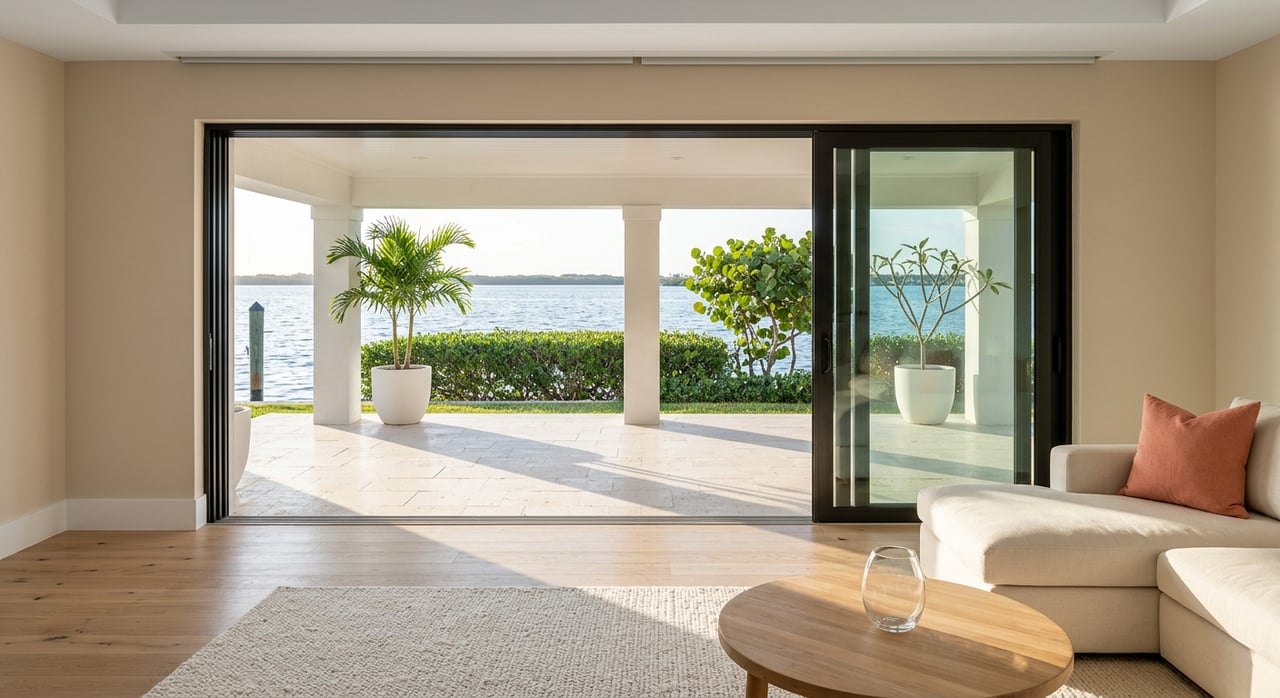
Waterfront buyers often fall in love outside first. Your lanai, pool deck, dock, landscaping, and water-facing seating areas all shape the first impression. Clean surfaces, trim overgrowth, and make sure every outdoor area feels intentional and easy to enjoy.
Lighting also deserves a quick review. Charlotte County identifies Manasota Key as part of a sea turtle lighting zone on the barrier islands, so if you have updated landscape, dock, or decorative exterior lights, it is smart to confirm that the fixtures remain compliant.
Gather dock and seawall records early
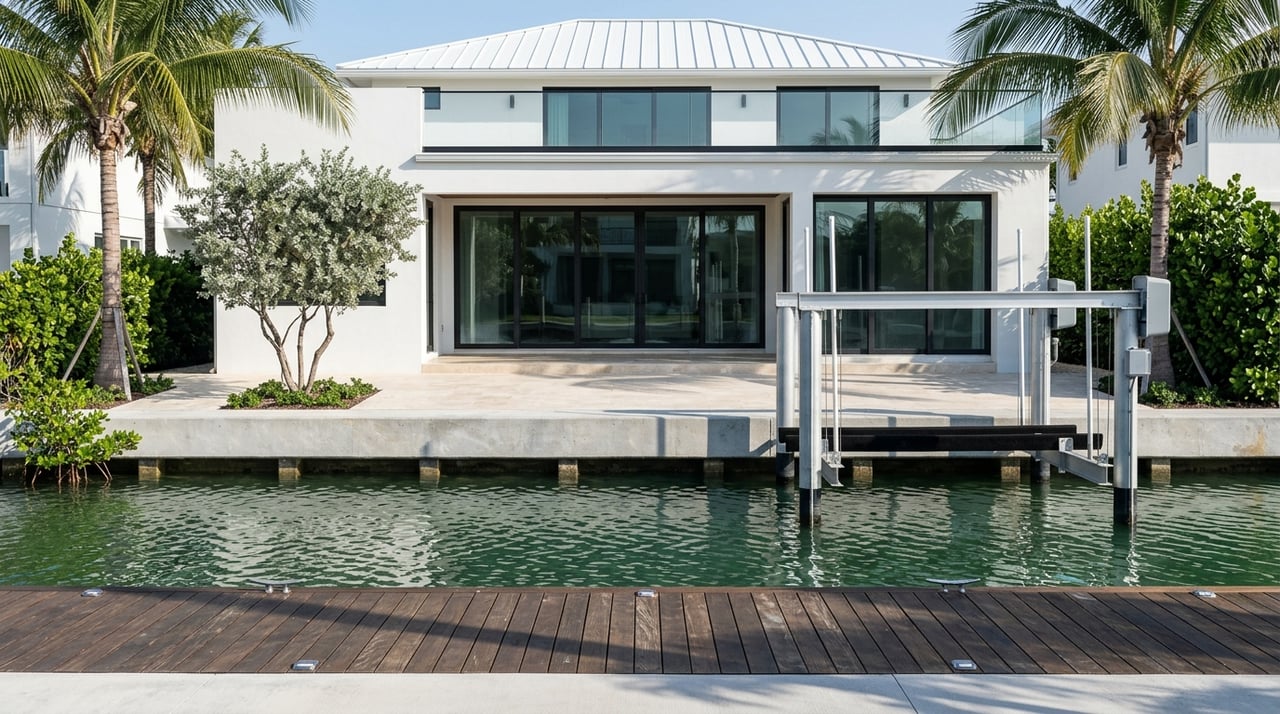
If your home has a dock, lift, seawall, or other marine improvements, put those documents together before your home goes live. These features can be major value drivers, but they can also trigger detailed buyer questions. Having the paperwork ready makes your listing feel more complete and better supported.
Charlotte County’s dock and seawall permit information shows that these improvements often require signed and sealed plans, site plans, and a recorded Notice of Commencement for work over $5,000. The county also notes that Florida DEP or U.S. Army Corps of Engineers approval may be needed in some cases. If you have those approvals, permit finals, or related plans, keep them in one easy-to-share file.
Why marine paperwork matters
A buyer may love your boating access, but still hesitate if they cannot verify the work. Missing records can create uncertainty about age, scope, compliance, or future maintenance. Clear documentation helps buyers evaluate the property with less guesswork.
This is especially true on a barrier-island property, where coastal development and shoreline stabilization must comply with local code before permits are issued. When your records are organized, your home often feels more market-ready and easier to understand.
Check your flood and elevation documents
Flood and elevation records are a big part of preparing to sell a Manasota Key waterfront home. Charlotte County says its current FEMA flood maps became effective on December 15, 2022, and that they introduced the Coastal A Zone. The county also states that elevation certificates and surveys should use NAVD88 as the design datum.
If you have an older elevation certificate that references NGVD29, it may need a conversion note. This is the kind of detail that can slow a transaction if it surfaces late. Reviewing your documents ahead of time gives you a chance to correct gaps before a buyer or insurer points them out.
What to pull into your file
For many sellers, the most useful approach is a single property packet. Based on the local records and sale factors in Charlotte County, that packet should usually include:
- Deed
- Survey
- Plat, if available
- Elevation certificate
- Permit finals
- Recorded Notice of Commencement documents
- Dock or seawall approvals
- Wind mitigation report
- Recent insurance declarations
- Current tax bill
- HOA or special assessment notices, if applicable
Charlotte County’s Clerk says official records can be searched by property address if indexed, and the county GIS includes a Certificate of Elevation layer for properties with certificates on file. That makes it easier to track down missing items before listing.
Review insurance paperwork before you list
Insurance questions can shape a buyer’s comfort level, especially on waterfront homes. If you already have clear insurance documents, you can help buyers understand the property more quickly. That does not mean you need to solve every insurance question for them, but it does mean your file should be easy to follow.
Florida’s Office of Insurance Regulation says consumers can hire a licensed inspector to document wind mitigation features using the official Uniform Mitigation Verification Inspection Form. Citizens says that form is valid for up to five years if the structure has not materially changed, and Citizens requires a four-point inspection for certain applications when the home is more than 20 years old.
If your home has a current wind mitigation report, keep it with the listing documents. If the house is older and you expect questions about systems or insurability, gathering those records now can save time later.
Understand taxes and local assessments
Waterfront sellers should also look at the tax side early. Charlotte County’s tax bill includes both ad valorem taxes and non-ad valorem assessments. On Manasota Key, local assessments may include the Manasota Key Street and Drainage Unit and the Manasota Key Beach Renourishment Unit.
These costs matter because buyers often want a realistic view of ownership expenses. Your current tax notice and any related assessment statements can help support clean, transparent communication. They are also useful when a buyer compares your home with other waterfront options.
Disclose known issues clearly
A polished home presentation is important, but it should never replace honest disclosure. The Florida Bar explains that under Johnson v. Davis, a seller must disclose known facts that materially affect value and are not readily observable or known to the buyer. An as-is sale does not remove that duty.
For a Manasota Key waterfront home, that can include known roof leaks, recurring water intrusion, prior flood damage, dock or seawall problems, or unresolved code issues. Clear disclosure protects trust and helps keep a transaction on track.
Transparency builds buyer confidence
Many waterfront buyers expect some complexity. What often matters most is whether the information is complete and straightforward. When you are upfront about known issues and can pair that with organized records, buyers are more likely to see your home as a serious, credible opportunity.
That is one reason strong preparation matters so much in this market. You are not just selling a view or a floor plan. You are also showing that the home has been maintained, documented, and represented with care.
Do not wait on flood coverage changes
If flood insurance needs to be revised or replaced before closing, timing matters. FEMA says flood insurance is required for many federally backed mortgages in high-risk areas, and NFIP coverage typically has a 30-day waiting period unless an exception applies. Waiting until the last minute can create avoidable stress.
Even if your buyer will secure their own policy, your current paperwork still helps them understand the property. If anything in your existing coverage needs clarification, it is better to address that before your home hits the market.
Position your home for a smoother sale
The strongest Manasota Key listing prep usually combines two things: polished presentation and complete documentation. Buyers want the lifestyle, of course, but they also want clarity around the realities of coastal ownership. When your dock records, flood documents, insurance paperwork, tax information, and disclosures are ready, your home is easier to evaluate and easier to trust.
That is where local waterfront experience can make a real difference. Selling on Manasota Key often means understanding not only price and presentation, but also the details that shape buyer confidence on the coast. If you are preparing to sell your waterfront home, The Flamingo Group can help you position it with the level of care, strategy, and waterfront knowledge this market deserves.
FAQs
What documents should you gather before selling a Manasota Key waterfront home?
- A strong seller file often includes your deed, survey, plat, elevation certificate, permit finals, recorded Notice of Commencement documents, dock or seawall approvals, wind mitigation report, insurance declarations, tax bill, and any HOA or assessment notices.
Why do flood and elevation records matter for a Manasota Key home sale?
- Buyers and insurers may review flood-zone details, elevation information, and the design datum used on certificates or surveys, especially since Charlotte County says current FEMA maps and NAVD88 standards apply.
Should you keep dock and seawall permits when selling a waterfront home in Manasota Key?
- Yes. Dock and seawall records can help answer buyer questions about compliance, scope of work, approvals, and final permits.
What should you disclose when selling a waterfront property in Florida?
- Florida sellers must disclose known facts that materially affect value and are not readily observable or known to the buyer, which may include known leaks, water intrusion, prior flood damage, dock or seawall issues, or unresolved code matters.
Are there special local costs buyers may ask about on Manasota Key?
- Yes. Charlotte County tax bills can include non-ad valorem assessments, and Manasota Key properties may be affected by local assessment units such as street, drainage, or beach renourishment charges.