Wondering whether a Manasota Key property could do more than give you a beautiful place to escape? If you are thinking about buying a home or condo here with part-time rental income in mind, you need more than a generic beach-market overview. You need a realistic look at demand, seasonality, local rules, and the day-to-day realities of owning on a barrier island. Let’s dive in.
Why Manasota Key Draws Rental Interest
Manasota Key has a different feel from large resort-heavy beach markets. Charlotte County’s local overlay is designed to preserve existing low-density development, which helps support a smaller-scale coastal rental environment rather than a high-density inventory of resort towers.
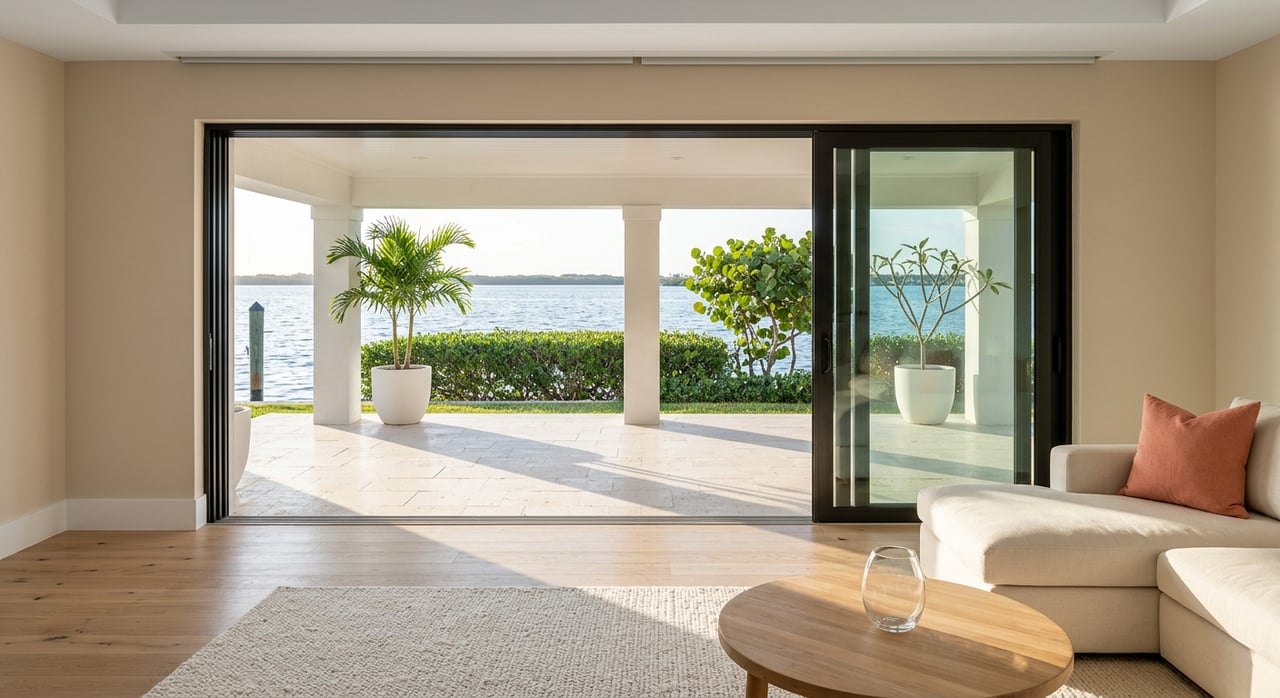
For you as a buyer or owner, that matters. A limited-development setting can create appeal for guests who want a quieter beach experience, especially when the property itself offers comfort, convenience, and easy shoreline access.
The area’s visitor draw is also broad enough to support more than one type of guest. Tourism information for the broader Manasota Key area highlights four beach destinations, plus activities like shelling, shark-tooth hunting, fishing, canoeing, kayaking, birdwatching, hiking, and picnicking.
That points to a guest base that often includes couples, families, anglers, paddlers, and nature-focused return visitors. In other words, the rental appeal here is strongly tied to coastal lifestyle and outdoor recreation.
What Seasonality Looks Like
If you are evaluating rental potential, seasonality should be part of your math from the start. Charlotte County tourist-tax collections rose from $422,625 in October 2025 to $508,544 in November, $675,928 in December, and $1,085,883 in January 2026.
While those figures are countywide and not Manasota Key only, they do show a clear pattern. Winter and early spring appear materially stronger than fall, which is consistent with how many Southwest Florida coastal markets perform.
That means your projected income should not assume flat demand all year. A more realistic approach is to view Manasota Key as a market where peak-season performance may carry much of the annual opportunity.
There is also evidence of resilience. Charlotte County’s FY 2025 annual report noted storm damage to dozens of vacation rentals and lodging properties on the west side, yet tourist development tax collections remained steady and were down just 0.8% through May 2025.
Which Property Types Can Work
From a Florida licensing standpoint, not every rental property is treated the same. The state separates vacation rental dwellings from vacation rental condominiums, and the correct path depends on the physical form of the property.
A vacation rental dwelling license generally applies to a single-family home, townhouse, or small multi-unit dwelling such as a duplex, triplex, or quadruplex. A vacation rental condominium license applies to a condo unit or group of units in a condominium or cooperative.
On Manasota Key, that means both coastal houses and condo-style properties can fit a rental strategy. The better fit for you depends on your budget, your preferred ownership style, and how much hands-on management you want.
Amenities That Matter Most
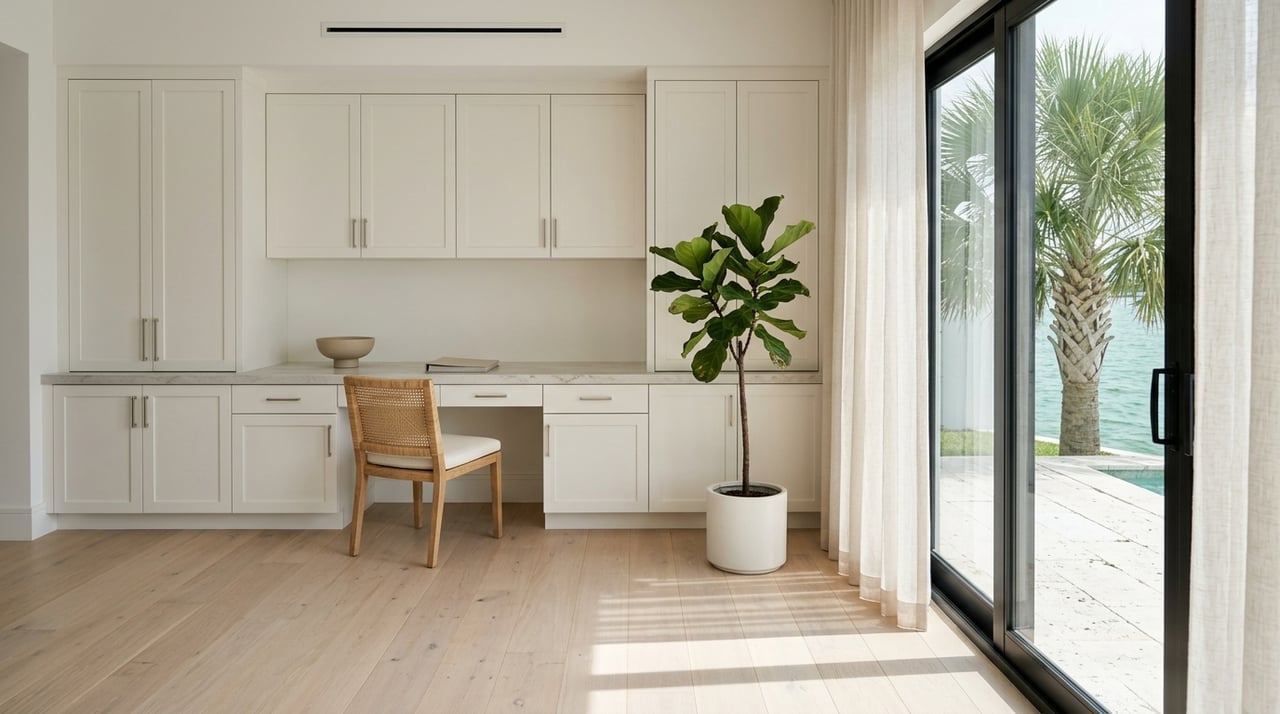
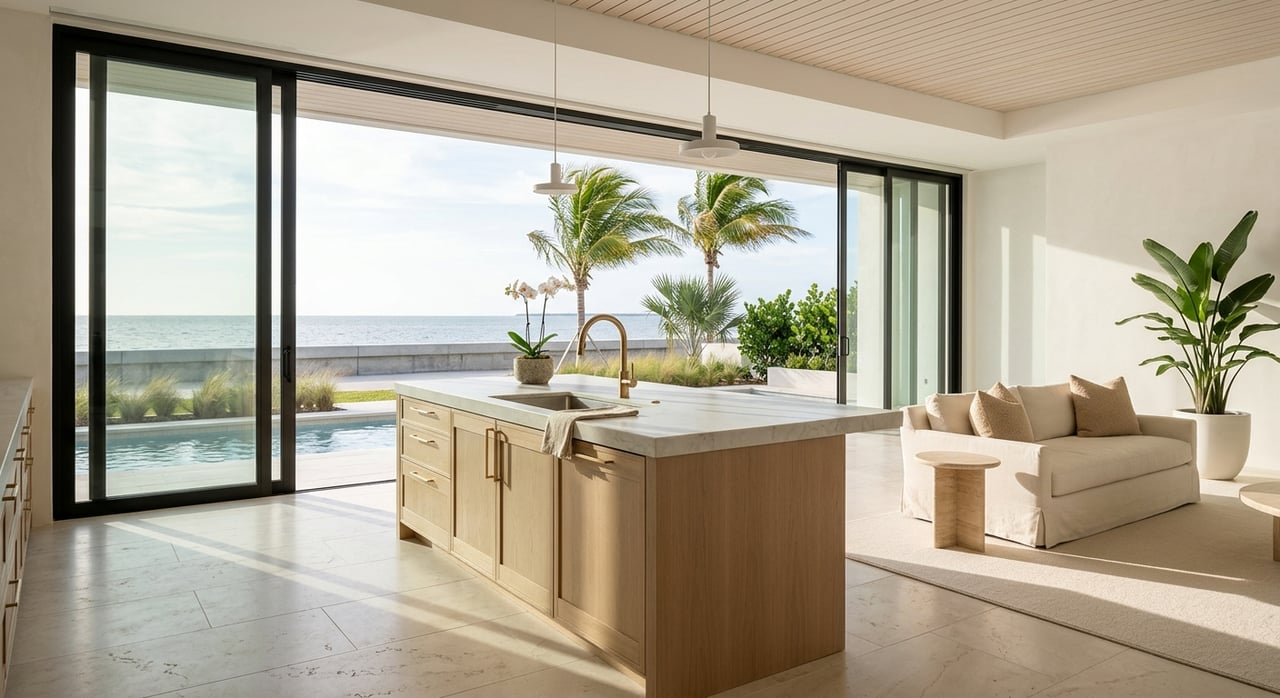
In a market like Manasota Key, guest expectations are often less about nightlife and more about simple coastal convenience. Features such as outdoor showers, in-home laundry, flexible sleeping space, shaded outdoor seating, and updated kitchens tend to align well with the area’s beach- and nature-focused visitor profile.
Arrival logistics matter more here than many buyers expect. Charlotte County says beach and boat-ramp parking is pay-to-park, Englewood Beach parking is limited, and the county is running a free park-and-ride shuttle from Tringali Park to Englewood Beach.
That makes practical details more valuable. Off-street parking, easy check-in, and clear guest instructions can directly improve the guest experience in a way that may not be as important in a mainland neighborhood.
Walkability is another useful factor to watch. Charlotte County is funding sidewalk, lighting, and landscaping improvements on Beach Road through the Manasota Key Street and Drainage district, which reinforces the appeal of properties that make it easy for guests to move between the home and nearby beach amenities.
Local Rules You Need to Know
If you plan to rent out a Manasota Key property for short stays, local compliance is a major part of the investment picture. Florida requires owners of new public lodging establishments, and new owners of existing establishments, to obtain the proper DBPR license before operation begins.
Charlotte County’s tourist-tax guidance adds more steps. The county instructs operators to obtain a Florida sales tax registration number, apply for a DBPR vacation rental license, apply for a Charlotte County business tax receipt, and then apply for a Charlotte County tourist tax account.
That means your setup process is not just one form and done. If you are buying with rental use in mind, your due diligence should include a clear plan for licensing, registration, tax collection, recordkeeping, and ongoing filing requirements.
How Short-Term Rental Taxes Work
Charlotte County says the tourist development tax is 5% on rentals of six months or less. That is charged in addition to the 7% sales tax due to the Florida Department of Revenue.
The county also says these taxes are due monthly by the 20th of the following month. Required charges such as cleaning fees and resort fees are taxable when they are part of the accommodation charge.
There is an important line to understand here. Bona fide written leases for longer than six months are exempt from the tourist development tax, which creates a meaningful difference between short-term and longer-term rental planning.
If you expect to switch between personal use and rental use, or if you plan to hire a management company, this tax structure should be discussed early. It affects how you budget, price, and operate.
Risks That Shape Real Rental Performance
Rental potential on Manasota Key is real, but so are the risks. Because this is a barrier island with low elevation, storm planning is part of ownership, not a side issue.
Charlotte County notes that the county has very low elevation and may not be able to open shelters during a storm. The county also divides the area into evacuation zones and notes that nearby barrier islands contribute to flood vulnerability.
For you, that means a rental property should be evaluated through both an income lens and a resilience lens. Insurance review, evacuation planning, guest communication protocols, and physical durability all matter.
Beach conditions can also change over time. Charlotte County reports that Hurricane Ian caused extensive shoreline erosion on Manasota Key and Stump Pass, and the county has a Manasota Key Beach Renourishment Unit specifically to fund nourishment, renourishment, and erosion prevention.
Carrying Costs Buyers Should Verify
One of the most overlooked parts of buying on a barrier island is district-level cost exposure. Charlotte County has both a Manasota Key Street and Drainage Unit and a Manasota Key Beach Renourishment Unit.
According to the county, these assessment-backed districts help fund roads, drainage, sidewalks, beautification, and beach protection. Whether a specific parcel is subject to one or more assessments should be confirmed before you buy.
This is especially important if you are comparing two otherwise similar properties. The better rental candidate is not just the prettier one. It is the one whose ownership costs, logistics, and resilience profile make the numbers more sustainable.
What Makes a Strong Rental Candidate
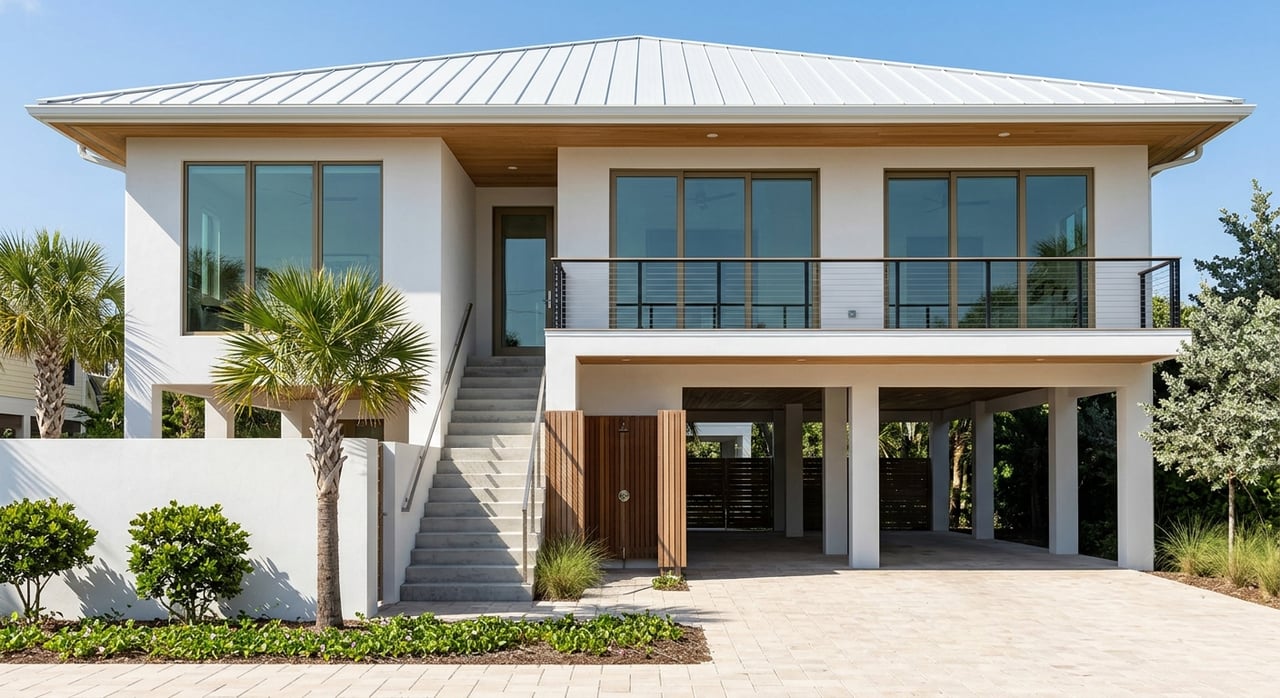
Based on Manasota Key’s low-density character, tourism profile, and coastal operating realities, the strongest rental candidates often share a few traits. They tend to combine beach access, off-street parking, resilient construction, and a guest experience that fits a quieter coastal stay.
That does not mean every successful rental looks the same. A well-located condo with simple maintenance and easy beach access may appeal to one buyer, while a stand-alone house with outdoor living space and more sleeping flexibility may appeal to another.
The key is matching the property to the guest profile the area naturally attracts. On Manasota Key, that usually means comfort, convenience, and access to the water-oriented lifestyle people come here to enjoy.
How to Evaluate a Property Before You Buy
If you are serious about buying for personal enjoyment plus rental potential, a disciplined review can save you time and money. Focus on the details that affect both guest experience and long-term ownership.
Here is a practical shortlist to work through:
- Confirm the property type and likely licensing path
- Review access, parking, and guest arrival logistics
- Check whether the parcel may be subject to local district assessments
- Evaluate flood exposure, evacuation considerations, and insurance implications
- Look at the home’s resilience features and maintenance needs
- Estimate how seasonality could affect occupancy and income expectations
- Consider whether your use plan is short-term, longer-term, or mixed
On a barrier island, small details can have outsized effects. The right property is often the one that works well in real life, not just on a spreadsheet.
If you are exploring Manasota Key from an investment or lifestyle angle, local waterfront knowledge can make a major difference. From barrier-island property nuances to coastal ownership realities, The Flamingo Group helps you evaluate opportunities with a clear, practical view of what makes sense for your goals.
FAQs
What makes Manasota Key different from larger Florida beach rental markets?
- Manasota Key has a more limited, low-density development pattern, which supports a smaller-scale and more lifestyle-oriented rental market rather than a high-density resort environment.
What does seasonality look like for Manasota Key rental demand?
- Charlotte County tourist-tax collections show stronger winter demand than fall, with collections increasing from October 2025 through January 2026, suggesting that peak season can play a major role in annual rental performance.
What property types can be used as vacation rentals on Manasota Key?
- Florida licensing rules allow both vacation rental dwellings, such as houses and townhomes, and vacation rental condominiums, but the correct license depends on the property’s physical form.
What taxes apply to short-term rentals in Charlotte County?
- Charlotte County says rentals of six months or less are subject to a 5% tourist development tax in addition to the 7% sales tax, with monthly filing due by the 20th of the following month.
What local requirements apply before operating a Manasota Key rental?
- Charlotte County says operators should obtain a Florida sales tax registration number, a DBPR vacation rental license, a Charlotte County business tax receipt, and a Charlotte County tourist tax account before operating.
What risks should buyers consider when evaluating rental property on Manasota Key?
- Buyers should review storm exposure, flood vulnerability, evacuation planning, insurance considerations, shoreline changes, and any parcel-specific district assessments tied to roads, drainage, or beach renourishment.