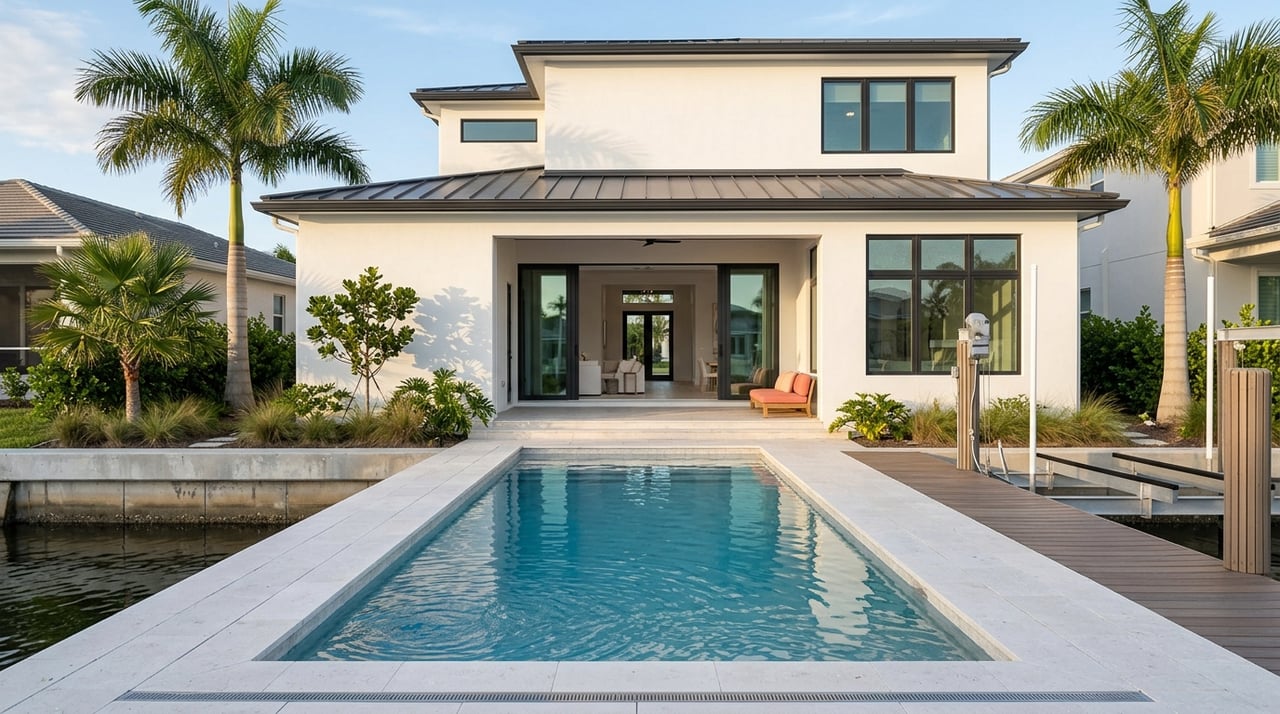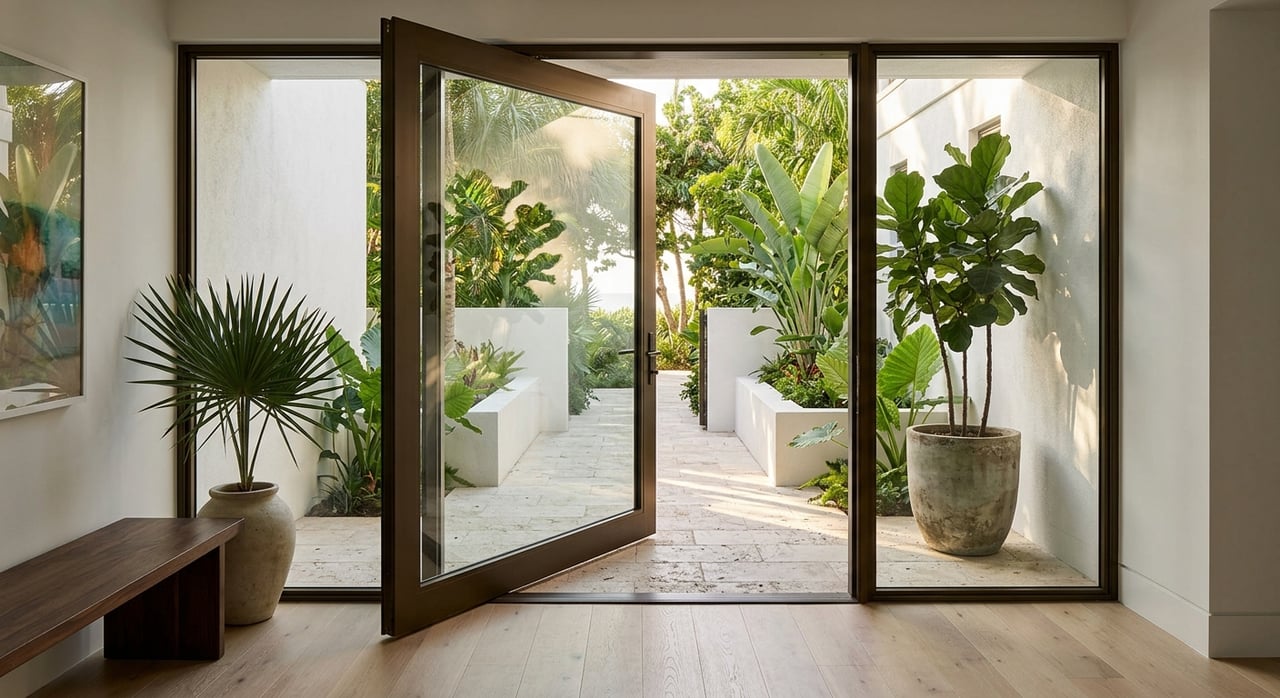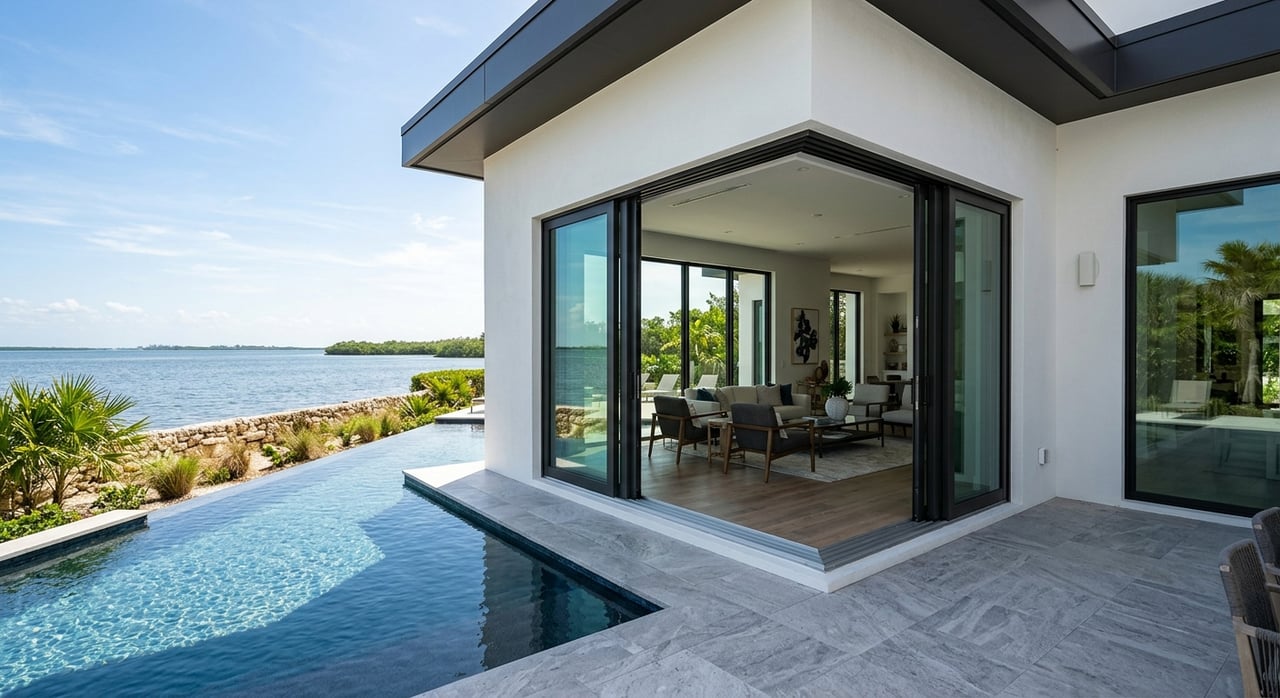
If you walk into a Manasota Key waterfront home and fall in love with the view in the first 30 seconds, you are not alone. Gulf and bay properties can make a powerful first impression, but a smart tour should go far beyond beautiful water, bright interiors, and a great pool deck. When you know what to check during the showing, you can spot strengths, ask sharper questions, and avoid expensive surprises later. Let’s dive in.
Start With Sun and Orientation
A waterfront view can be stunning at noon and uncomfortable by late afternoon. On Manasota Key, that matters because window direction, outdoor exposure, and breeze all affect how the home feels day to day.
East- and west-facing windows tend to bring more heat and glare, while north-facing windows usually bring less summer heat and glare. During the tour, stand in the main living area, primary bedroom, lanai, and pool deck and picture how those spaces will feel at the time you are most likely to use them.
Check Where Afternoon Sun Lands
Pay close attention to rooms and outdoor areas that face west or southwest. Those spaces are more likely to get strong afternoon sun and glare, which can make a beautiful view harder to enjoy.
Look for practical features that improve comfort, such as overhangs, screened areas, covered lanais, or impact-rated glass. If the home has them, ask how much they help during the hottest part of the day.
Notice How the Home Uses Breeze
Coastal homes often benefit from operable windows that capture sea breezes. As you tour, check whether windows can be opened safely for cross-ventilation and whether the layout seems designed to move air through the living spaces.
This is also a good time to think about privacy. A water view may come with sightlines from neighboring decks, rooftops, or nearby public access areas, so make sure the orientation works for both comfort and daily living.
Verify the Type of Water Access
Not every Manasota Key waterfront property offers the same relationship to the water. Some homes have direct Gulf or bay frontage, while others may rely on a shared access point or deeded access path.
That difference matters more than many buyers realize. Charlotte County notes that deeded access can be a narrow pedestrian corridor, and deed restrictions or restrictive covenants are not enforced by county agencies, so you should verify access in the title documents instead of relying on verbal descriptions.
Ask What "Waterfront" Really Means
During the tour, get clear about the access type. Ask whether the property offers:
- Direct Gulf frontage
- Direct bay frontage
- A private dockable water edge
- Shared water access
- Deeded beach access by path or easement
Those details can shape your day-to-day use of the property, your long-term value, and how the home compares with other waterfront options on the Key.
Inspect Docks, Seawalls, and Outdoor Improvements
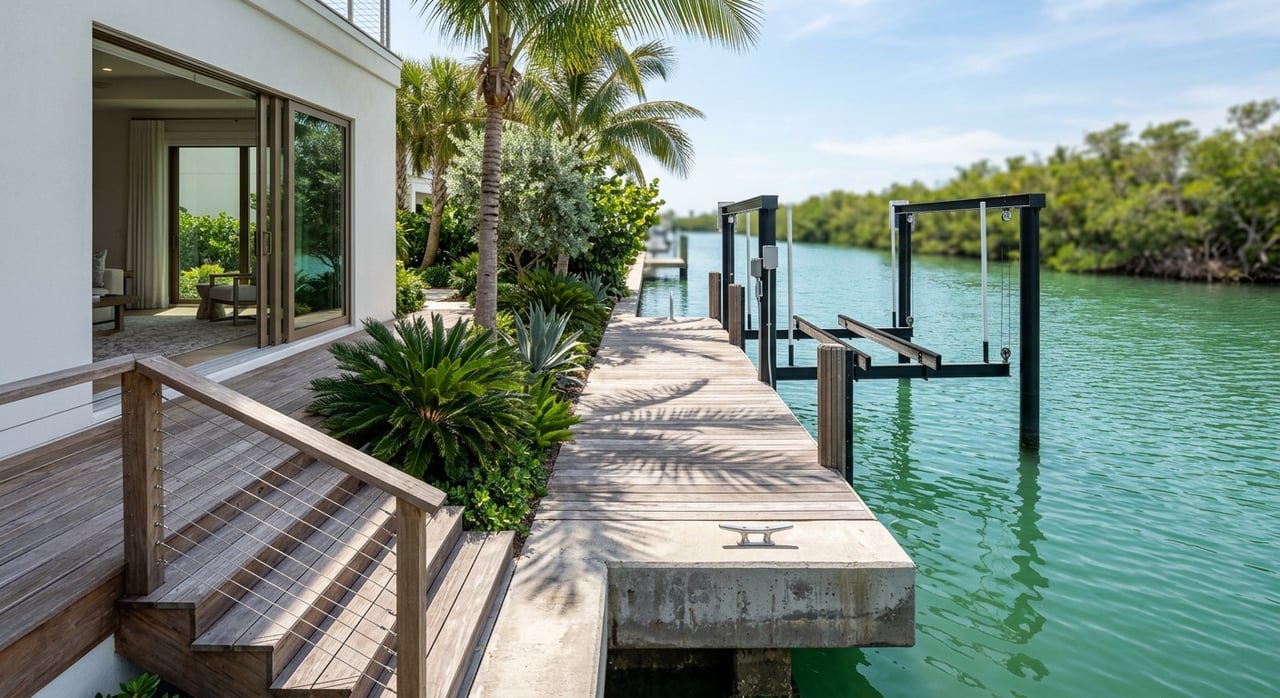
On Manasota Key, the outdoor structures can be just as important as the house itself. If the property includes a dock, boatlift, seawall, or waterfront lighting, you want to know whether those features were properly permitted and completed.
Charlotte County requires permits and supporting documents for docks and related marine improvements, and the county may also review zoning, right-of-way impacts, and natural resource issues. That means a tour should include more than a glance at the dock. It should prompt a document request.
What to Ask About Marine Features
Before you leave the showing, ask for records related to:
- Dock permits
- Seawall permits
- Boatlift permits
- Final inspections
- Electrical permits for waterfront components
- Notices of commencement for major exterior work
If the listing agent does not have those details on hand, that is not always a dealbreaker. It does mean you should follow up before getting too far into negotiations.
Check Lighting and Waterfront Setup
Exterior lighting deserves a closer look than many buyers give it. County review of some boatlift permits includes coastal lighting effects on sea turtles, so ask whether waterfront lighting or recent exterior additions raised any compliance issues.
Also notice whether the dock layout, lift position, and seawall condition appear functional and well maintained. Even if a formal inspection comes later, your first tour should help you identify areas that need more review.
Look Closely at Shoreline Condition
Shoreline condition is a major part of evaluating a Manasota Key waterfront home. Charlotte County reports that recent storms, including Ian, Nicole, Idalia, Debby, Helene, and Milton, caused extensive shoreline erosion on the Key and damaged dunes and seawalls.
That history means you should treat the beach, dune line, and waterfront edge as part of the property evaluation, not just a backdrop. Conditions can change after storm seasons, and nearby restoration work may affect access or frontage.
Signs to Observe During the Tour
If you are touring a Gulf-front property, pay attention to:
- Dune lines
- Seawall caps
- Sand buildup or loss
- Visible storm impacts
- Temporary access changes nearby
- Signs of shoreline restoration activity
Charlotte County also has a beach renourishment project scheduled from November 23, 2026, to April 30, 2027. If a property is near that work, ask how it could affect access, views, or use during that period.
Evaluate the Street and Block
With barrier-island homes, the block matters almost as much as the lot. Charlotte County notes that Manasota Key has limited rights-of-way, a mix of residential and commercial uses, and ongoing concerns about pedestrian crossings, noise, and traffic.
That means you should tour the property with the surrounding area in mind. A beautiful house can feel very different depending on road width, drainage, nearby activity, and visitor traffic.
Watch the Street Like a Local Would
As you arrive and leave, take a slow look at the immediate area. Notice:
- Road width and shoulders
- Space for guest parking
- Whether parking feels tight for deliveries or trailers
- Nearby beach traffic patterns
- Noise from commercial activity, rentals, or construction
- How easy it feels to walk or bike nearby
This is especially important on a Key where public beaches, businesses, and homes may sit close together without much buffering.
Look for Drainage Clues
Street drainage can tell you a lot about how the area handles heavy rain. Charlotte County continues to fund street and drainage work on Manasota Key, and project planning on North Beach Road has included sidewalks, lighting, and drainage improvements.
During your tour, watch for low spots, standing water, visible swales, and whether water appears to move away from the lot. Even on a sunny day, you can often spot clues in pavement edges, grading, and curb conditions.
Ask About Flood Zone and Elevation
Flood questions should be part of every waterfront home tour on Manasota Key. Charlotte County provides tools and guidance for checking flood zones, base flood elevations, and elevation certificates, and the county notes that high-risk Special Flood Hazard Areas include A and V zones.
If a home is in or near a coastal hazard area, the layout of the lower level matters too. In V zones, the lowest enclosed level is commonly limited to parking, storage, or access.
Questions Worth Asking Before You Leave
Keep these questions handy during a tour:
- What is the official flood zone?
- What is the base flood elevation?
- Is there an elevation certificate?
- Does the elevation certificate use NAVD88?
- If the home is in or near a coastal hazard area, how is the lowest enclosed level used?
These answers can help you compare homes more accurately, especially if you are deciding between Gulf-front, bayfront, canal-front, or beach-access options.
Check for Assessments and Storm History
A waterfront purchase involves more than the home and lot. On Manasota Key, some improvement costs may be tied to county assessment structures, including the beach-renourishment unit.
Charlotte County has scheduled a public hearing on proposed beach-renourishment assessments for July 22, 2026. That makes it wise to ask whether the property is subject to any county assessment tied to waterfront or street improvements.
Ask About Past Conditions, Not Just Today
It is also smart to ask whether the street or property experienced flooding or beach sand loss during named storms. County flood history includes flooding on Manasota Key along Shoreview Drive and Gulf Blvd during past storm events.
You are not looking for a perfect property with zero weather history. You are looking for clear, honest information that helps you understand recurring conditions and make a confident decision.
Build a Tour Checklist Before You Go
The best Manasota Key waterfront tours feel calm and enjoyable, but they should still be methodical. A simple checklist can help you stay focused when a view, pool, or designer interior tries to steal all your attention.
Bring a short list that covers the essentials:
- Sun and window orientation
- Shade and outdoor comfort
- Cross-ventilation and breeze
- Type of water access
- Dock, seawall, and lift permit history
- Shoreline condition
- Street width and parking
- Drainage clues
- Noise and nearby activity
- Flood zone and elevation questions
- Possible assessments
When you compare homes with the same checklist, you will make a more informed choice and feel less pressure in a competitive waterfront market.
Why a Careful Tour Matters
A strong waterfront showing on Manasota Key is not just about finishes, staging, or the first photo-worthy view. It is about understanding how the property behaves in sun, wind, water, and storm conditions, and how the surrounding street and shoreline affect ownership over time.
That level of review is especially important on a barrier island where access, erosion, permitting, and flood details can shape both lifestyle and value. When you leave the tour with answers about orientation, access type, permit history, shoreline condition, flood zone, and street context, you are in a much better position to move forward with clarity.
If you want local guidance that goes beyond the obvious and helps you evaluate waterfront homes with confidence, connect with The Flamingo Group.
FAQs
What should you check first during a Manasota Key waterfront home tour?
- Start with sun exposure, window orientation, outdoor comfort, and breeze in the main living spaces, lanai, pool deck, and primary bedroom.
How can you tell if a Manasota Key home has true waterfront access?
- Ask whether the property has direct frontage, a private dockable edge, shared access, or deeded access, and verify the access type in the title documents.
Why do dock and seawall permits matter for a Manasota Key home?
- Permits and final inspections help confirm that docks, seawalls, boatlifts, and related electrical components were properly reviewed and completed.
What flood questions should you ask during a Manasota Key home showing?
- Ask for the official flood zone, base flood elevation, elevation certificate details, and how the lowest enclosed level is used if the home is in or near a coastal hazard area.
Why should you evaluate the street around a Manasota Key waterfront property?
- Street width, drainage, parking, noise, traffic, and nearby public activity can affect daily use, convenience, and long-term enjoyment just as much as the parcel itself.